What Is a Foam Roof? Why Phoenix Homeowners Choose Foam Roofing
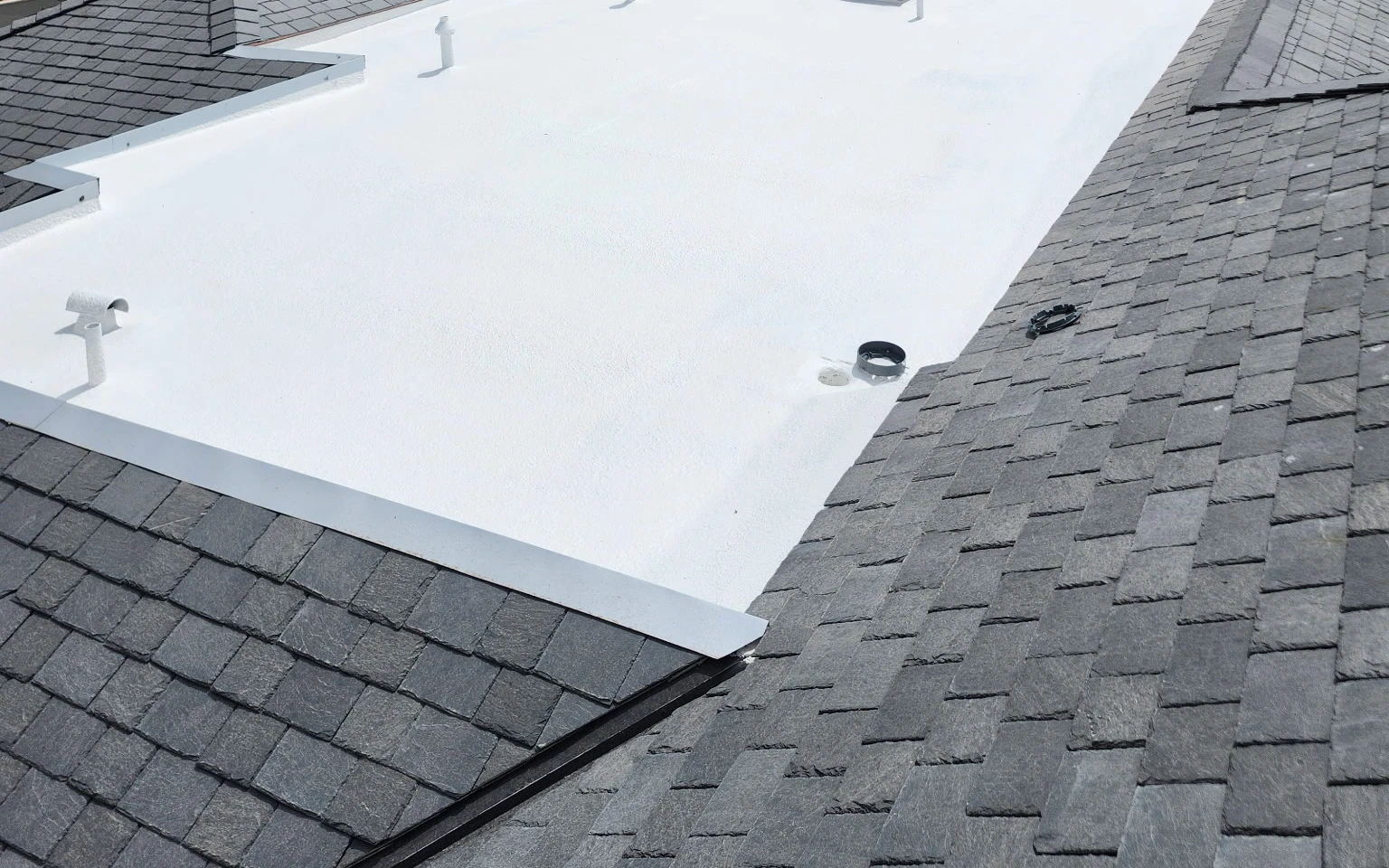
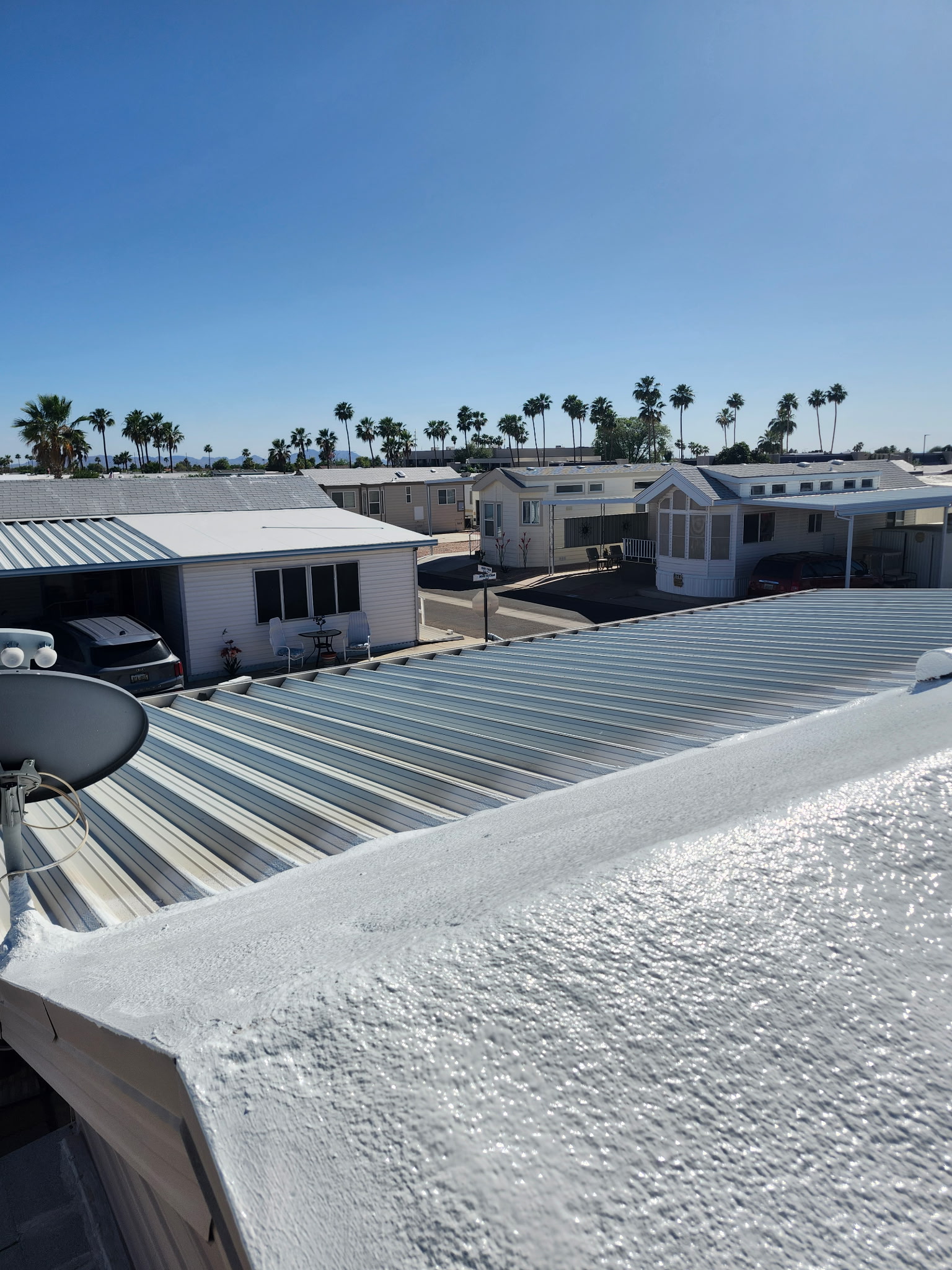
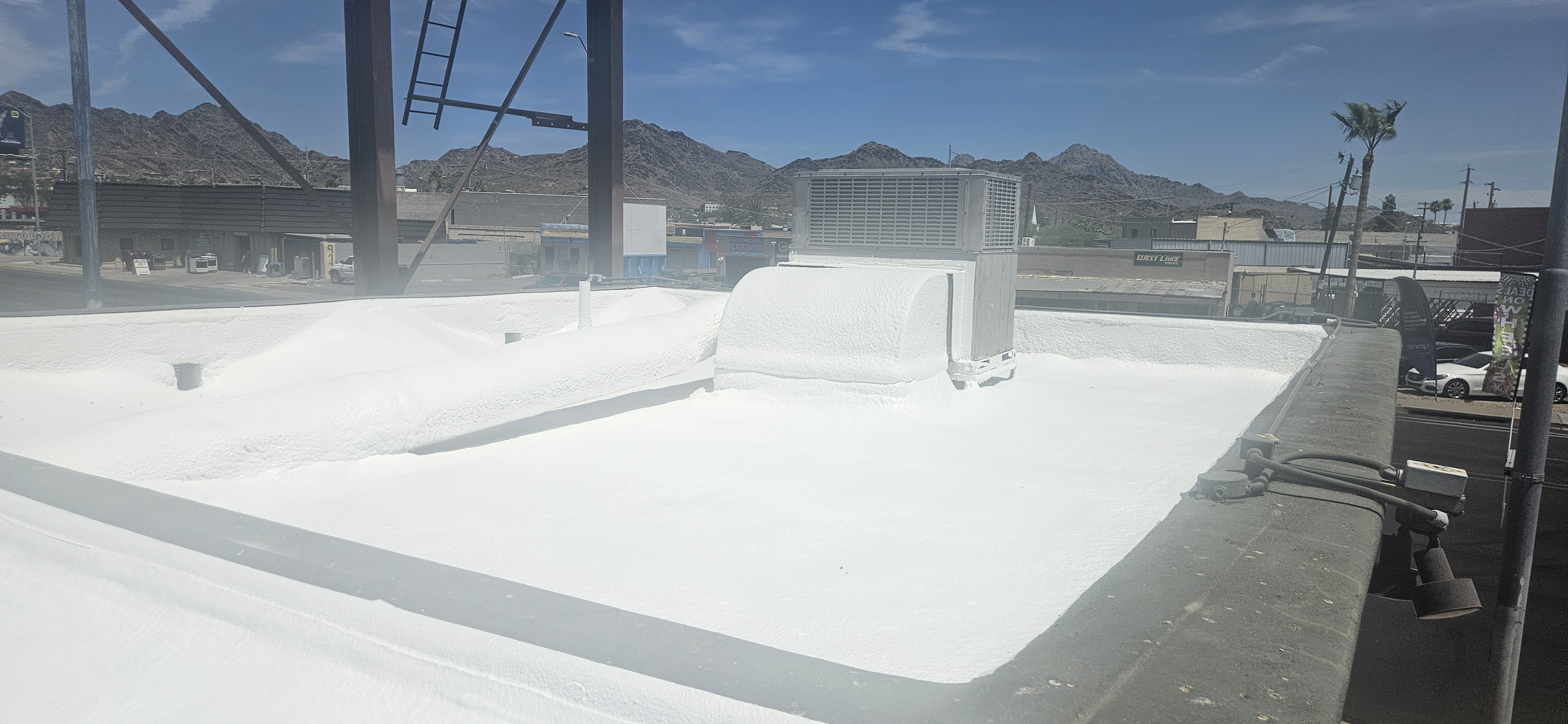
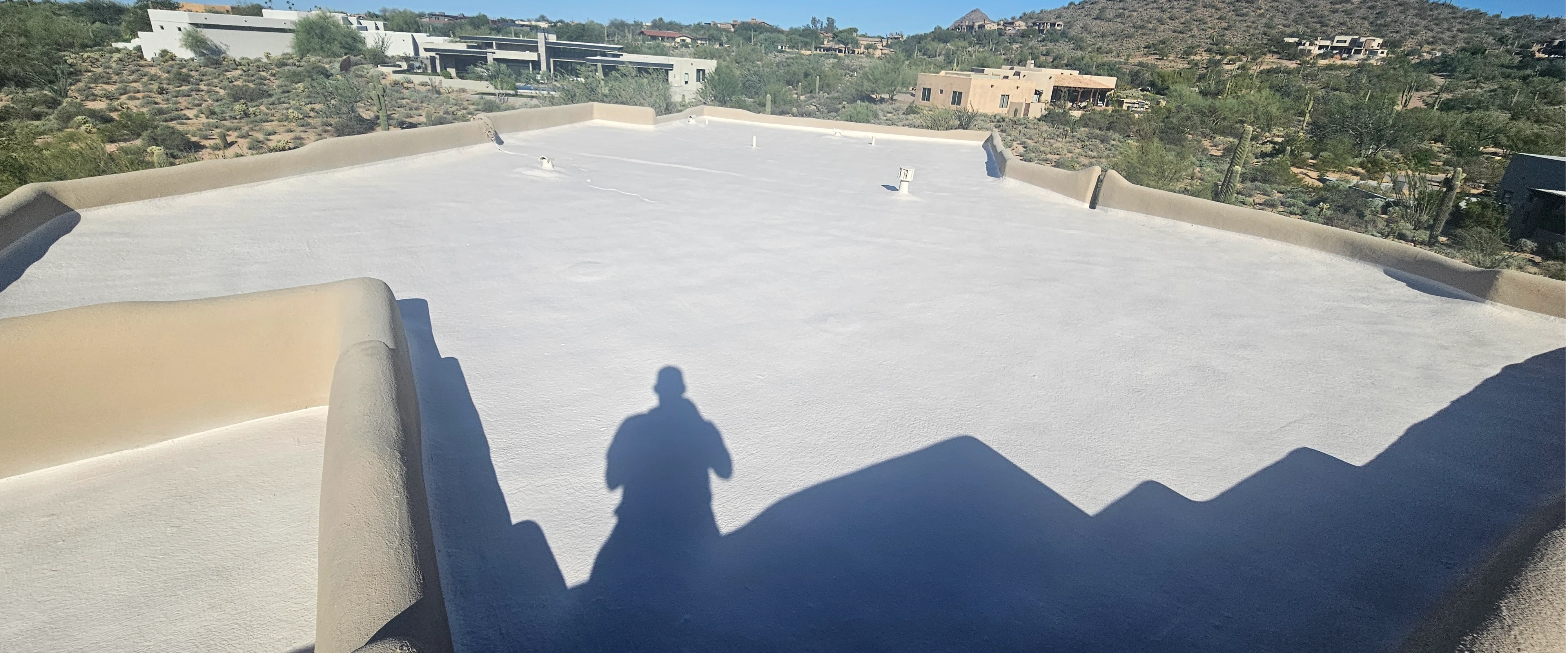
A foam roof is a seamless, sprayed-in-place roof: two liquids combine at the spray gun, expand on contact with your roof deck, and cure into a rigid insulating layer with no seams, followed by a reflective coating that protects it from the sun. In Phoenix it is the standard for flat and low-slope homes because it insulates, seals every vent and parapet without flashing, and is renewed with a recoat instead of a tear-off. Full details on the system are on our spray foam roofing page.
Since 1989, our team at Durafoam Roofing has been protecting Arizona homes from the relentless desert sun. We sat down with our owner, Tim, who has been on Phoenix rooftops for over three decades, to answer the most common questions about why foam roofing is the gold standard for our unique climate.
Tim, let's start with the basics. For someone completely new to the concept, how would you describe a foam roof in simple terms?
In simple terms, a foam roof is a liquid-sprayed material that rises and hardens right on your roof deck. It’s a seamless system that seals cracks, waterproofs your home, and adds insulation where you likely lived without it before. It is a two-part process that creates a durable, solid roofing system once it expands.
Beyond just 'insulation,' what are the key components of a complete foam roofing system, from the substrate up to the final coating?
While insulation is a huge part of it, the system is really about that seamless, sprayed-on application that works on many different substrates. We prefer putting it over wood, but depending on the situation, we can apply it over existing foam or even some older roof systems. It’s a major waterproofing factor because the material expands into every little crack and crevice to completely seal everything off.
Phoenix summers are legendary. Can you explain in detail how a foam roof specifically tackles our extreme desert heat and sun?
A foam roof tackles the heat by insulating your building, sealing out air, and reflecting sunlight. You're getting an R-value of 6.4 per inch of foam, which is a massive upgrade over an empty attic space. Because it's a seamless application, it acts like a giant cooler by air-sealing the home, and when we add that white top coating to reflect the UV rays, all three factors work together to keep you cool and reduce HVAC costs.
Given Phoenix's unique climate, what are the biggest advantages of choosing a foam roof over traditional materials like shingles or tiles?
The biggest advantage is the insulation. If you have a traditional shingle roof, you just have plywood, felt, and likely black shingles that absorb heat rather than reflecting it. By putting foam on top, you get that thermal barrier with every inch applied. The white coating then works with the foam to reflect the sun, keeping the entire structure much cooler than a standard roof.
What's one common myth or misunderstanding about foam roofing that you frequently encounter from homeowners in Phoenix?
A lot of people dislike flat roofs because they worry about low spots and ponding water. While you don't want a giant pond that adds excessive weight, these manufacturers actually test these systems under continuous water for 30 days. A little 'bird bath' or a small puddle is not a big deal on a foam roof. Homeowners often think a small pond is a much bigger issue than it actually is for this material.
Maintenance is always a concern. What does typical annual maintenance for a foam roof in Phoenix look like?
Foam roofs require a bit more specific maintenance than shingles because you have to keep up with the coating, typically recoating every 5 to 10 years. During a maintenance check, I look for clear drains and scuppers, bird pecking holes, or cracks from fallen palm fronds. If you’ve had tree work done, those sharp leaves can sometimes puncture the surface, but if the seam is broken, it’s typically a very simple fix for us to handle.
What are some of the key factors or existing roof conditions you look for to determine if a home is a good candidate for foam?
We'll get up there and assess the current condition of your rolled roof, tar and gravel, or even peeling TPO. Sometimes we can go right over the existing surface depending on how tight it is and how well it was originally installed. Other times, we have to tear it down to the deck to start fresh, but we assess every roof individually to find the best path.
From your decades of experience, what's a 'red flag' a homeowner should watch out for when getting quotes?
The biggest red flag is the thickness of the foam being applied. A company might sell you an inch of foam but only spray a half-inch, and you wouldn't know without probing it. We always do a minimum of one inch no matter what. We see situations every year where a previous contractor didn’t apply what they promised, so you always want to make sure you're getting the thickness you paid for.
What's the typical lifespan of a well-maintained foam roof in the Phoenix area, and what role do re-coats play?
If you maintain it, these roofs can last a long time—we have some from the early 90s that are still in good shape after 40 years. A common life expectancy is 25 to 30 years, but recoats are crucial. If you skip a recoat for 15 years, the UV rays will eventually eat the foam and cause leaks. Recoating is the secret to extending that life indefinitely.
What's one piece of practical advice you'd give to a Phoenix homeowner who's just starting their research?
Check their experience, specifically how long they have been spraying foam. While a new company might have a skilled worker, spraying foam is a real skill that takes time to master. You can’t just buy a truck and expect it to look good; it takes years of practice to get the water moving properly and ensure the finished surface is smooth, clean, and professional.
Keep reading: Foam Roof Coating & Recoating · Foam Roof Recoating Cost
Written by Tim Forstie, Owner of Durafoam Roofing
Learn more about Tim — Phoenix foam roofing specialist since 1989.