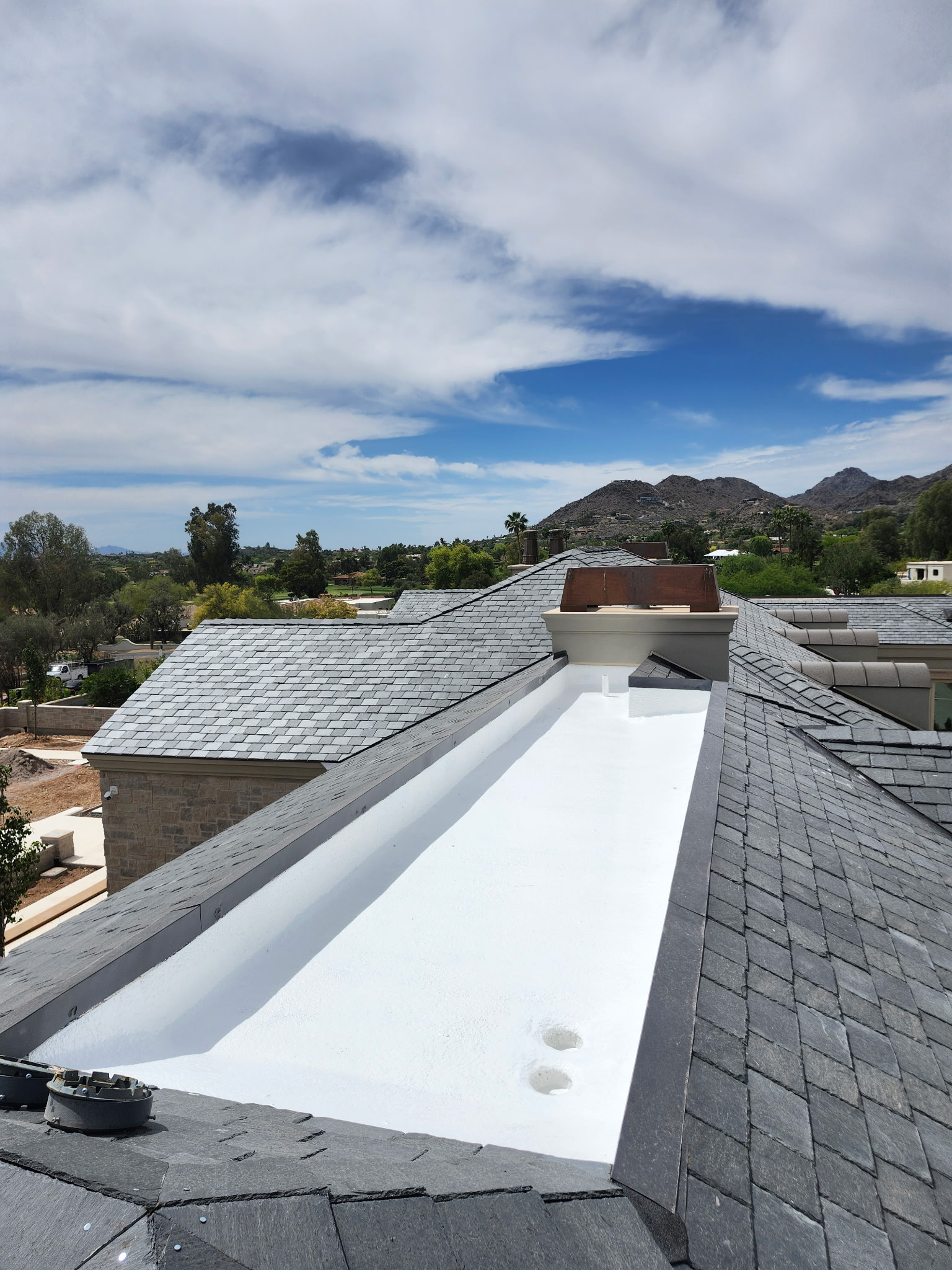
How Long Does a Roof Last in Arizona? Tile, Shingle and Foam Roof Lifespans
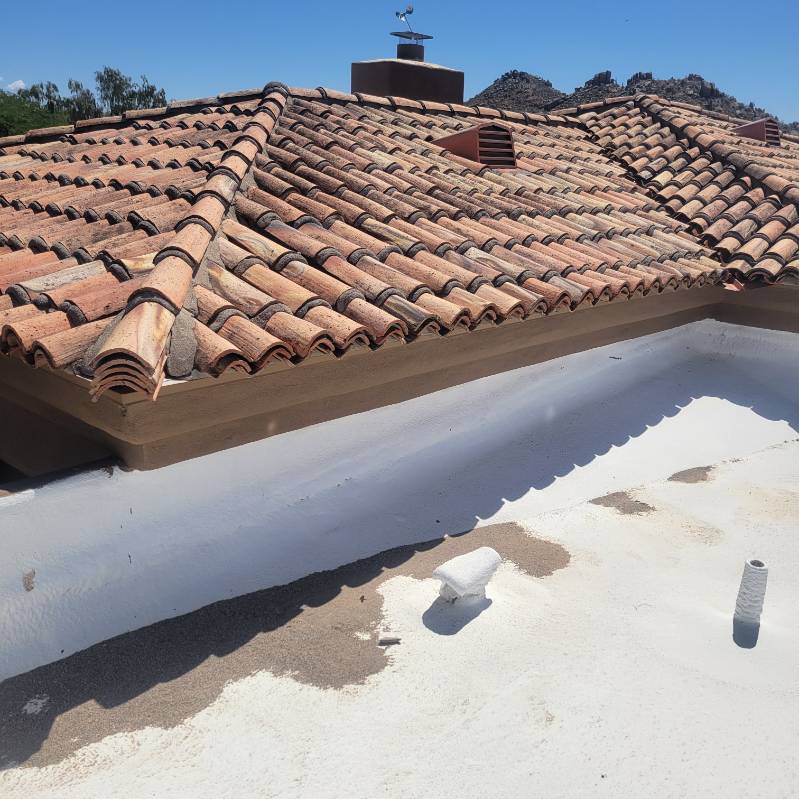
How long does a roof last in Arizona? Tim Forstie, owner of Durafoam Roofing, says material matters, but installation, maintenance, drainage and sun exposure often reveal more than the roof’s age. Here is what he sees after decades of inspecting, repairing and installing roofs in the Phoenix area.
Why an Arizona Roof’s Age Does Not Tell the Whole Story
There is no single lifespan that applies to every Phoenix roof. Tim looks at the roof’s actual condition before estimating how much useful life remains.
Material is only one factor. Original installation, maintenance history, slope, drainage, sun exposure and how the roof has been cared for all affect longevity. Tim has seen roofs more than 20 years old in very good condition, along with much newer roofs—especially in tract-home developments—that were already failing.
He has also inspected many roofs Durafoam installed in the 1990s that remain in surprisingly good shape. They lasted because they were installed correctly and maintained over the years. Conversely, some fairly new roofs have needed major work because of poor installation or neglected drainage.
Age matters, but it definitely doesn't tell the whole story on how long a roof is going to last.
— Tim Forstie
Asphalt Shingle Roof Lifespan in Phoenix
Tim does not put much weight on a manufacturer’s 25-, 30- or 35-year shingle label when evaluating a roof in Phoenix. In his field experience, asphalt shingles often begin showing significant age around 15 to 20 years.
Some last longer, while others deteriorate sooner due to heavy sun exposure or poor installation. Roof orientation matters as well: sections facing more intense sun can age faster than protected areas. Proper installation can improve performance, but Arizona’s heat and ultraviolet exposure are hard on shingles.
Generally, Arizona is pretty hard on shingles.
— Tim Forstie
Tile Can Outlast the Underlayment Beneath It
The visible tile on a roof may last 40, 50 or 60 years, and Tim says tile itself can effectively be a lifetime material. The underlayment beneath it is usually what wears out first, often around the 20- to 30-year mark in Phoenix.
If the existing tiles remain in good condition and have not been damaged by foot traffic, wind lifting or other causes, they may be reused. During a tile remove-and-reinstall, commonly called a tile R&R, the crew lifts the tiles, replaces the underlayment and batten boards, and puts the same tiles back down.
That distinction matters when judging an older tile roof. Worn underlayment does not necessarily mean all the tile must be discarded.
The tile itself can last 40, 50, 60 years and really, tiles can be a lifetime.
— Tim Forstie
Maintained Foam Roofs Can Perform for Decades
Tim has seen foam roofs Durafoam installed more than 30 years ago that are still in great shape. When a spray polyurethane foam roof is installed correctly, kept coated and maintained on a proper schedule, it can provide a very long service life.
The foam itself is not usually the first component to fail. Protective coatings and small damaged areas require attention over time. Cracks, bird holes and similar problems should be repaired before they lead to larger issues. Recoating on an appropriate schedule helps continue protecting the foam from Arizona’s climate.
The foam itself doesn't usually fail first.
— Tim Forstie
Phoenix Heat, UV and Monsoons Accelerate Roof Aging
Phoenix heat and intense sunlight are among the biggest forces working against a roof. Materials dry out, coatings break down, shingles become brittle, and minor cracks can grow faster than they would in a milder climate. Areas exposed to direct sun throughout the day generally age faster than protected sections.
Monsoon storms can quickly expose weak points. Drainage is equally important: when rainwater ponds instead of leaving the roof, it can shorten the roof’s service life. A storm may reveal the problem, but the underlying cause can be a missed installation detail, accumulated debris or inadequate drainage.
Phoenix roofs just take a beating from the sun year after year.
— Tim Forstie
Installation Details Can Add Decades—or Cause Early Failure
Tim has found relatively new roofs with problems caused by missed details around flashing, penetrations, edges, drainage, slope and other vulnerable areas. These errors allow a roof to fail much earlier than its age or material would suggest.
A correctly installed roof can perform well for decades with basic, proper maintenance. That is why Tim considers the original application when assessing lifespan rather than relying solely on installation date or a product label.
A roof that was installed correctly from the start can hold up really well for decades with basic and proper maintenance.
— Tim Forstie
Roof Maintenance Prevents Small Problems From Spreading
Routine inspection, cleaning and prompt repairs can meaningfully extend roof life. Tim has encountered many roofs where cleaning alone could have prevented problems.
Flat roofs need occasional debris removal, particularly when trees or palms overhang them. Otherwise, rain pushes leaves and other debris toward drains and scuppers, where blockages can cause ponding. On tile roofs, debris can collect in valleys or work beneath the tiles, interfering with drainage and creating larger problems.
Tim has seen older roofs continue performing well because owners addressed small issues rather than waiting for a leak. Maintenance cannot correct every defect, but it can keep an isolated problem from becoming widespread.
Maintenance is huge.
— Tim Forstie
How a Roofer Judges Whether Useful Life Remains
During an inspection, Tim looks for cracking; brittle, dried-out or exposed materials; worn underlayment; dirty valleys; failed flashing; soft decking; and evidence of repeated repairs. He also considers whether deterioration is isolated or spread across the roof.
A roof that remains structurally solid with only localized defects may have plenty of useful life left and need targeted repairs. When damage and deterioration are widespread, replacement becomes more appropriate than another simple repair. The decision comes from the roof’s overall condition—not its age alone.
If the roof is still solid overall and the problems are isolated, it may have plenty of life left.
— Tim Forstie
Keep reading: Phoenix Roofing Costs · Free Roof Inspection
Frequently asked questions
- Do 30-year shingles actually last 30 years in Phoenix?
- Not necessarily. Tim commonly sees Phoenix shingles show significant age around 15 to 20 years, although installation quality, sun exposure and roof orientation can make them last longer or fail sooner.
- Does an old tile roof need all-new tiles?
- Often, no. If the tiles remain usable, a roofer can lift them, replace the underlayment and batten boards, and reinstall the same tiles in a tile R&R.
- Can a foam roof last more than 30 years in Arizona?
- Yes. Tim has seen foam roofs Durafoam installed more than 30 years ago remain in great shape when they were properly installed, coated, repaired and maintained.
- What usually causes Phoenix roofs to wear out early?
- Common causes include poor installation, intense sun and UV exposure, ponding water, clogged drainage, missed flashing or penetration details, and neglected maintenance.
- How can I tell if my roof needs repair or replacement?
- Localized damage on an otherwise solid roof may be repairable. Widespread cracking, brittle materials, failed flashing, soft decking, worn underlayment or repeated repairs can point toward replacement.
Written by Tim Forstie, Owner of Durafoam Roofing
Learn more about Tim — Phoenix foam roofing specialist since 1989.