Hidden Roof Leak Signs Phoenix Homeowners Should Check After a Monsoon
A roof can take in water during an Arizona monsoon without producing an obvious ceiling drip. Tim Forstie, owner of Durafoam Roofing, explains which early clues Phoenix homeowners should look for and shares a recent inspection where an overlooked opening had already caused structural damage.
Early Signs of a Hidden Roof Leak After a Phoenix Monsoon
The first indication of water intrusion may be on the roof rather than inside the house. Tim says an inspection may reveal soft areas or cracks that appear dry at first. When someone steps near a crack and moisture comes through, water has likely entered the roofing system even though it has not leaked all the way through the ceiling.
These conditions should be addressed before the trapped moisture causes more damage. Because walking on a compromised roof can be unsafe and may worsen soft areas, homeowners should have questionable conditions inspected rather than testing them on their own.
If you’ve got some soft spots or you see some cracks and maybe everything’s dry, but you step on the crack and moisture is coming through, that’s typically a sign that maybe it hasn’t quite leaked all the way through yet, but it’s time to get that taken care of.
— Tim Forstie
Overlooked Rooms Can Hide Water Damage for Years
Inside the house, Tim recommends walking through every room after a rainstorm—not only the spaces used every day. In larger homes, spare bedrooms and other seldom-used rooms may go unchecked for months at a time. A homeowner might not discover the problem until there is a water-related smell or visible damage.
Tim has encountered homes where leaks may have been present for a couple of years because no one regularly entered the affected rooms. After a monsoon, a quick walk through the entire house can bring subtle stains, moisture or unusual odors to a homeowner’s attention before the damage becomes more extensive.
A lot of times what I run across is people don’t know they’ve had a leak, and they’ve maybe had a leak for a couple of years.
— Tim Forstie
Common Roof Areas to Check After a Storm
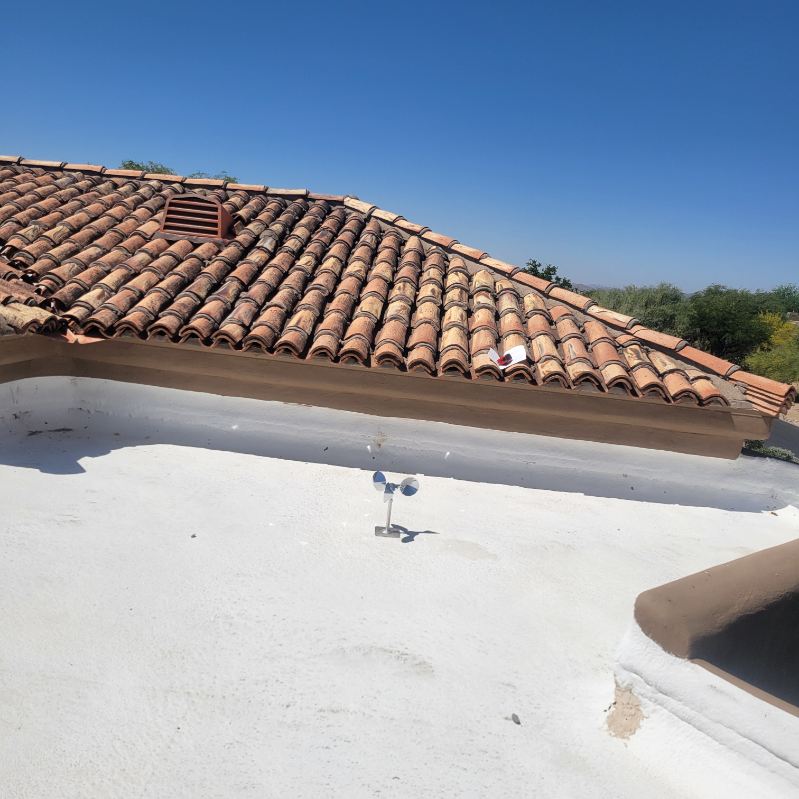
Some roof details deserve particular attention after monsoon rain. Tim commonly advises checking where scuppers discharge from the roof, around drains and near rooftop air-conditioning units. Cracks, openings or moisture in these areas may indicate a developing problem even when the rooms below remain dry.
What appears inside can also be easy to miss when it occurs over a patio or another area people pass through without looking up. Many Phoenix homeowners enter through the garage and rarely use the front door, so staining above a front entry or patio may remain unnoticed.
A Remodel Left a Hidden Opening in a Foam Roof
On a recent Durafoam Roofing inspection, the homeowner had no idea her roof was taking in water. During an earlier remodel, stucco workers had chopped away part of the foam roofing, installed their stucco and left behind a large hole and void.
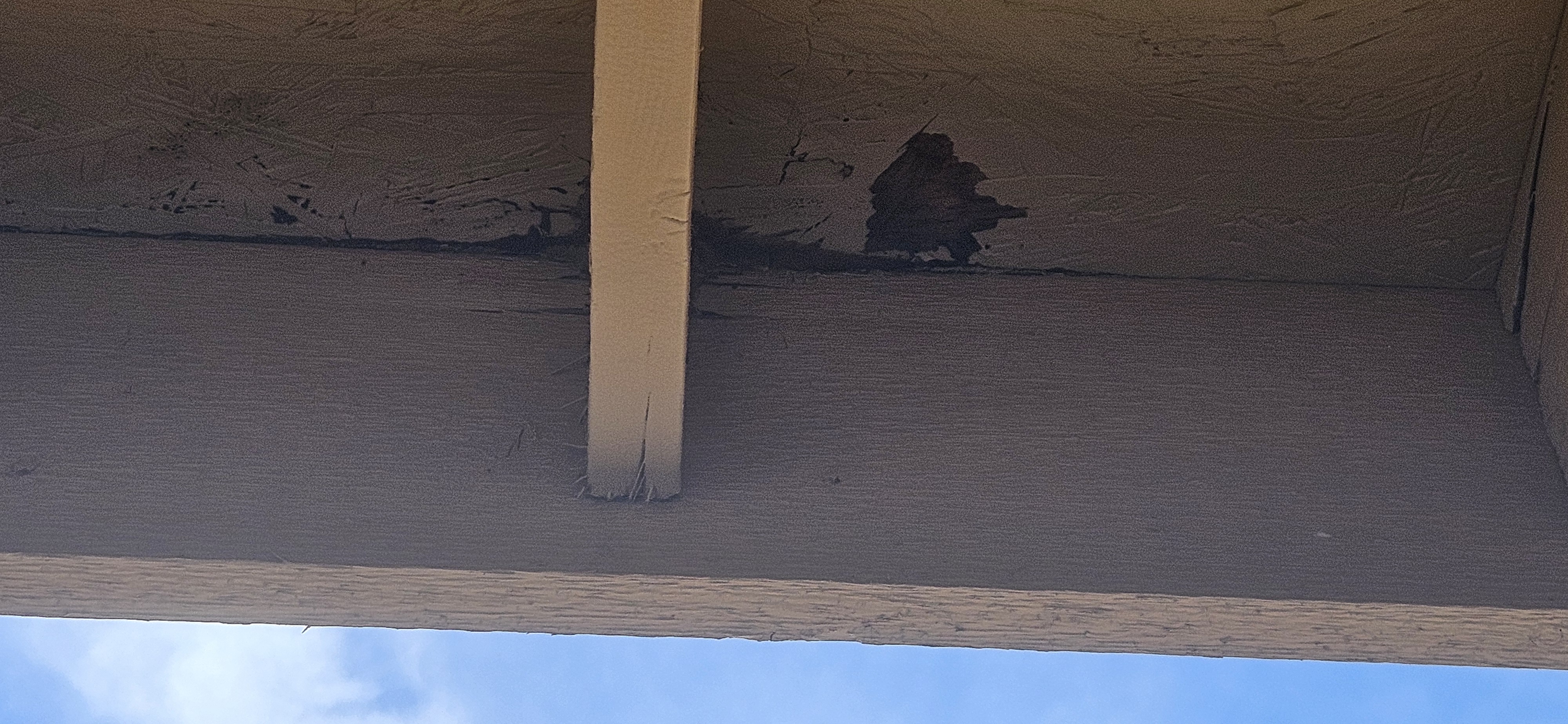
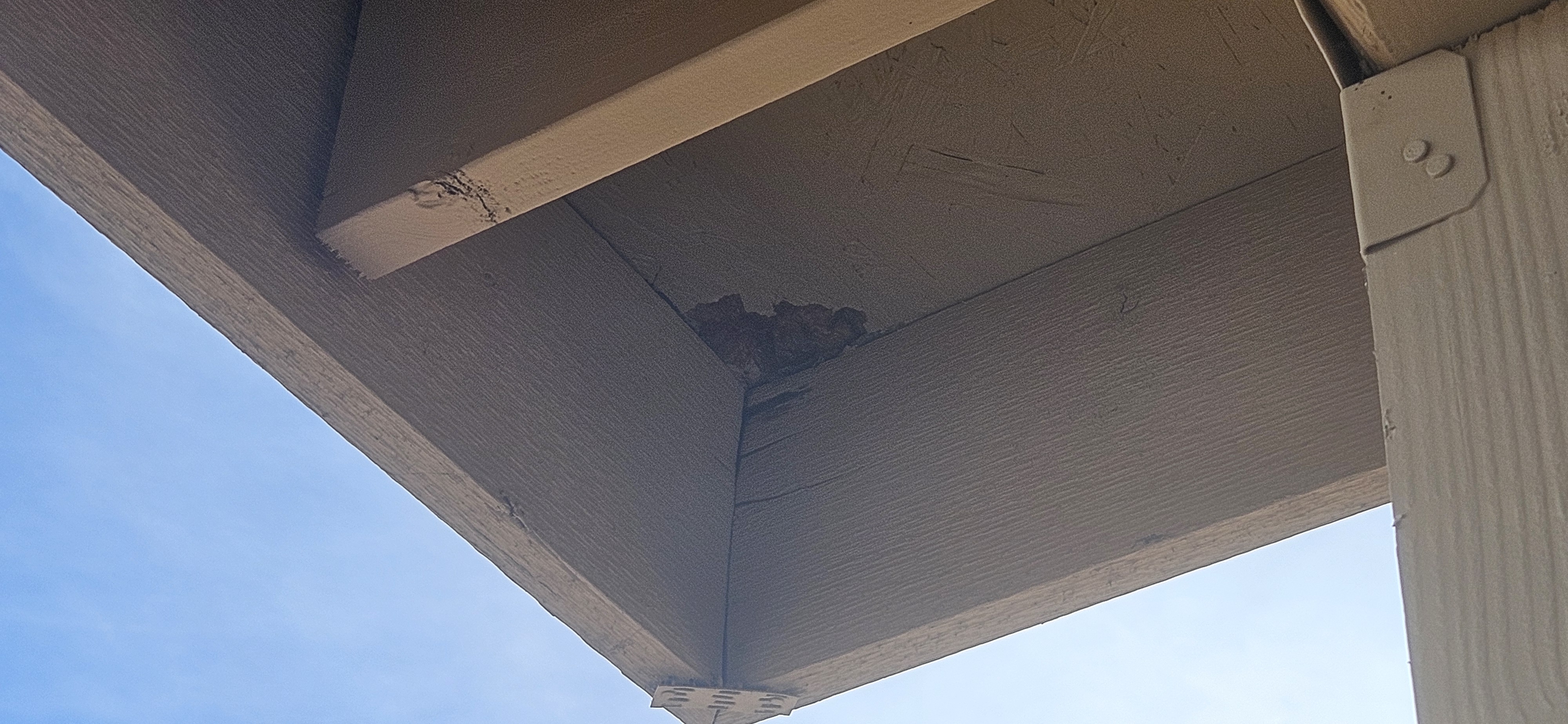
The problem had not yet produced an obvious leak through the patio ceiling, but water stains were beginning to appear in the stucco and drywall underneath. Because the damage was above the front patio—and the homeowner usually entered through the garage—she rarely walked beneath it or looked up.
From above, the area felt soft. The plywood had rotted and needed to be torn out and replaced. Tim says that if the opening had remained unnoticed, the drywall could eventually have caved in. The inspection showed how a roof defect can cause substantial concealed damage before water ever begins dripping into a frequently used room.
The homeowner had no idea that was up there.
— Tim Forstie
Why the First Visible Clue May Not Reveal the Roof Entry Point
The location where damage is first noticed does not always make the source obvious. In Tim’s field example, the opening was at a roof-to-stucco area created during remodeling, while the early visible clues appeared below as staining in the patio stucco and drywall.
That is why a post-storm check should include both the roof’s vulnerable details and the interior or covered areas beneath them. A dry ceiling in the main living space does not rule out moisture elsewhere in the roofing system, an unused room or an overlooked patio.
Keep reading: Roof Leak Repair · Roof Repair Cost
Frequently asked questions
- Can my roof be leaking even if the ceiling is dry?
- Yes. Moisture can enter around a crack or opening and remain in the roofing system before it leaks through the ceiling.
- What should I inspect inside my house after a Phoenix monsoon?
- Walk through every room, including seldom-used bedrooms, and look or smell for moisture and damage. Also look up beneath covered patios and entry areas that are easy to overlook.
- Which rooftop areas are most likely to show storm-related problems?
- Tim recommends checking around scuppers, roof drains and rooftop air-conditioning units, as well as watching for cracks and soft areas.
- Can remodeling work create a roof leak that stays hidden?
- Yes. Durafoam recently found a large opening where stucco workers had cut away foam roofing during a remodel, leaving water damage that the homeowner had not noticed.
- What can happen if a concealed roof leak is ignored?
- Water can rot plywood, damage stucco and drywall, and eventually cause drywall to cave in. The damaged roofing and wood may then need to be removed and replaced.

Written by Tim Forstie, Owner of Durafoam Roofing
Learn more about Tim — Phoenix foam roofing specialist since 1989.