How Do I Know If My Foam Roof Needs Repair? 10 Signs to Watch For
Identifying early warning signs is the best way to extend the lifespan of your roof and avoid costly interior damage. With hands-on experience across the Phoenix valley since 1989, our owner Tim has seen it all and is sharing his expertise on what you should look for. Here is Tim’s guide to knowing when your foam roof needs a professional repair versus just normal aging.
When I'm up on my roof, or even just looking from the ground, what specific things should I be looking for that scream 'repair necessary' versus 'just normal aging'?
If you're looking from the ground up at your roof and you have a metal edge, look for any lifting or delaminating along that metal. Sometimes that screams that the material is coming apart right there on the edge, which can lead to major problems in the future. That’s a big thing I would keep an eye on.
As a homeowner, what are the absolute most common, tell-tale signs that my foam roof might be needing some attention or even a repair?
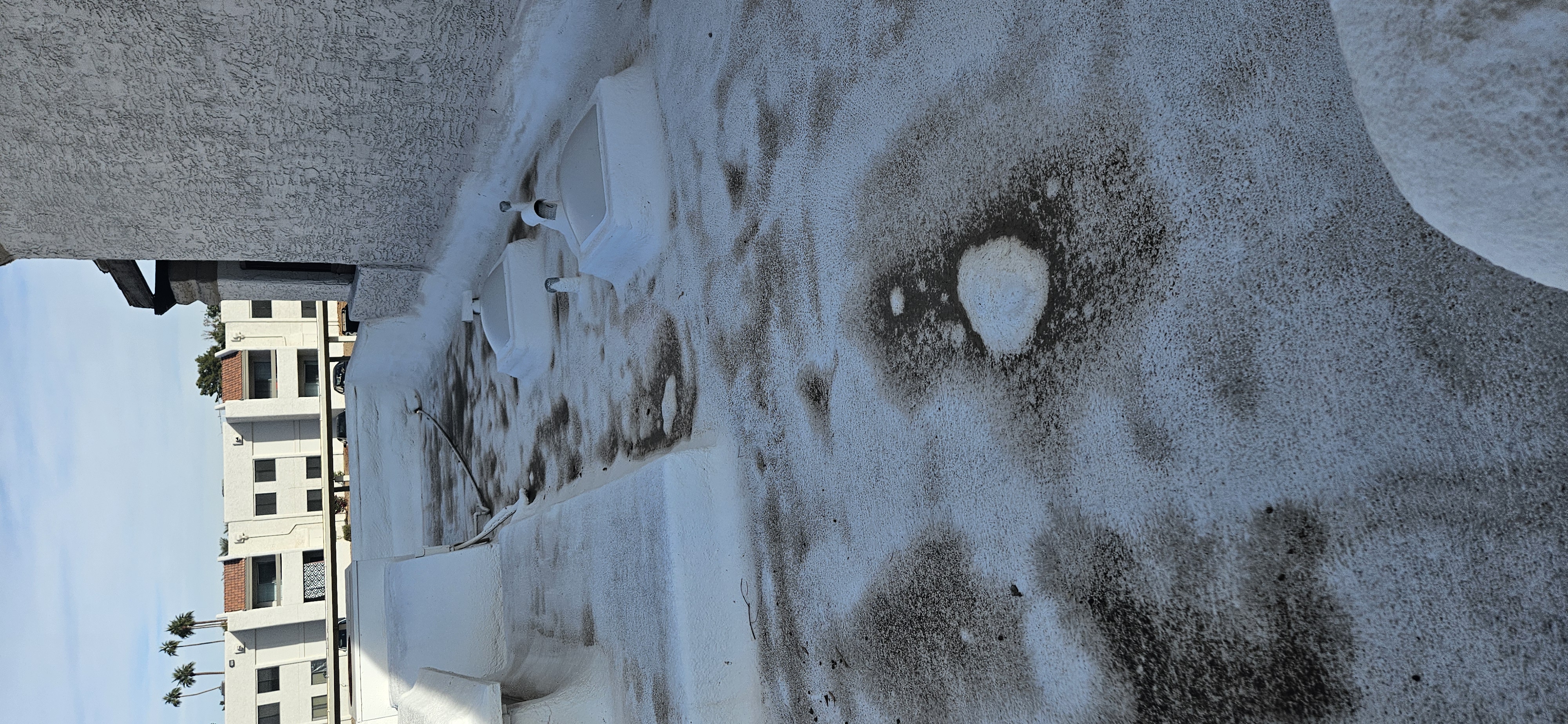
The most common things I run across are cracks—either in the coating or the foam itself—and bird holes around the edges. You also want to look for blistering, where the foam is popping up and not adhered to the substrate. We call that an air pocket, and if you have a lot of that going on, it’s a sign you need professional attention.
Beyond just visual cues, are there any other indicators, perhaps like a change in my energy bills or even sounds, that could signal a problem with my foam roof?
A change in your energy bills usually shouldn't have anything to do with needing a repair. If anything, putting a new foam roof on should actually help lower your bills because it adds high-value insulation. Some roofs don't have any insulation at all, and by adding just an inch of foam, you get an average R-value of about 6.4 per inch.
Phoenix experiences extreme weather like intense heat and monsoons. How do these conditions contribute to wear and tear, and what does that damage look like?
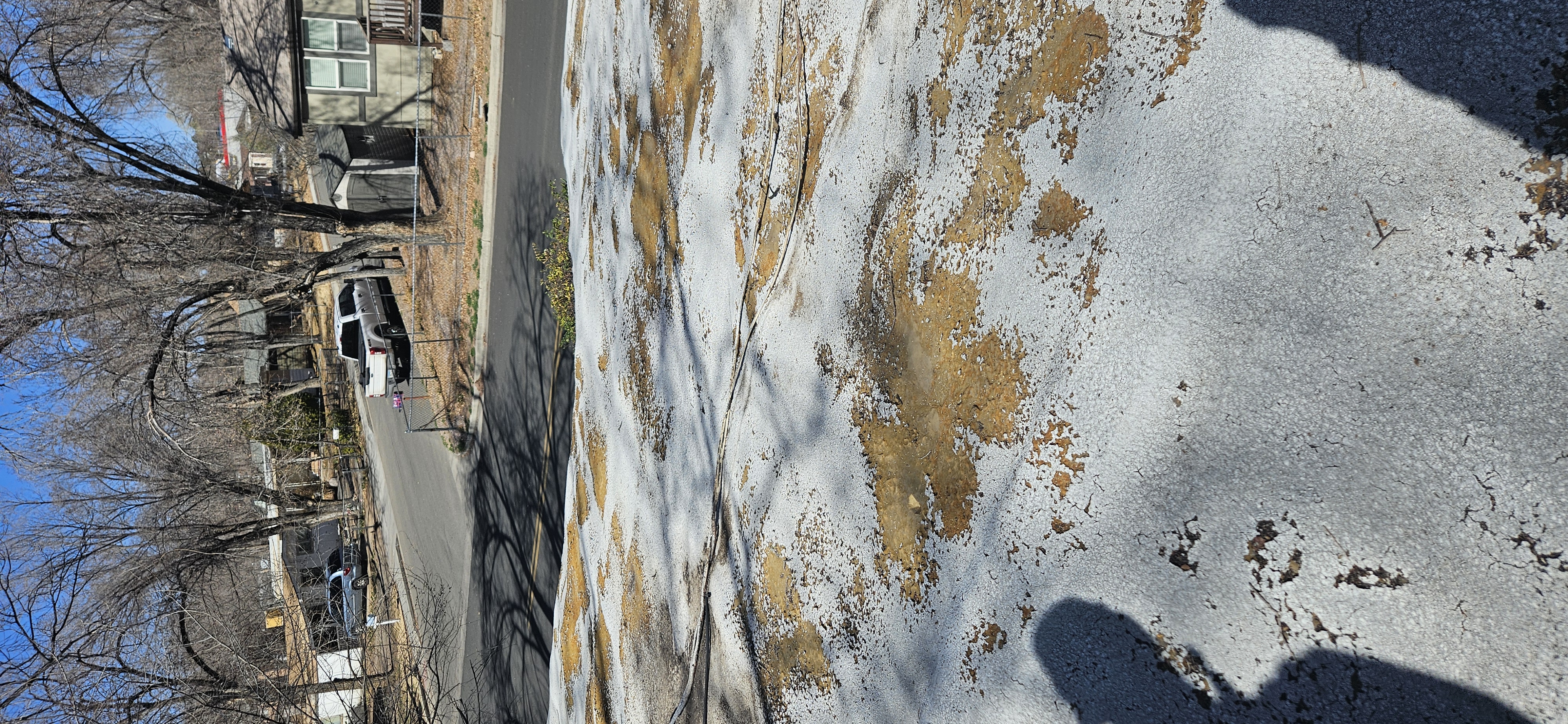
The foam is designed to handle the Phoenix heat, but it only does well as long as the coating is up to date. If you don't keep up with that coating, the sun will eat it away. You’ll know the coating is weathered away if you see a 'burnt orange' color on your roof that looks like a burnt orange peel; that means there is nothing left protecting your foam.
I've heard about 'blistering' on foam roofs. What exactly is a blister, and how serious is it if I spot one?
A blister is an air pocket between the substrate and the foam that causes it to lift—it feels just like a blister on your skin if you ran your finger over it. It’s caused by the two parts not being mixed right during the initial spray or moisture being on the roof when it was installed. It’s not always super serious, but don't step on them because you don’t want them to break open and let water in.
Are there certain areas, like skylights or HVAC units, that are more prone to needing repair? What should I inspect closely?
Yes, foam can pull away from self-flashing skylights over time, so we prefer installing curb mounts where the flashing goes over the foam. Around HVAC units, look for the foam peeling away where the unit meets the roof, especially if a new unit was just caulked in. Also, check your skylight weep holes in the corners; if those get plugged with debris, water will back up and cause a leak inside your house.
What's the biggest mistake a homeowner can make in trying to 'DIY' a foam roof repair?
The biggest mistake is using the wrong product. Some common roofing products, like certain tars, will actually eat through the foam roof and cause it to weather away faster. If you're going to attempt a DIY repair, you have to be absolutely sure you're using a material that is compatible with foam and won't chemically react with it.
From your experience roofing Phoenix since 1989, what's a common misconception Phoenix homeowners have about foam roof damage?
People are generally scared of flat roofs and think they are nothing but problems, but that isn't true. We have foam roofs we sprayed over 40 years ago that are still doing great. The biggest factor is the quality of the installation; if you have someone who knows how to do a good installation to begin with, a foam roof will last a very long time.
What's the long-term benefit of addressing smaller foam roof repairs promptly rather than waiting?
If you see a small issue and take care of it now, you'll be set when a monsoon storm hits a week later. If you wait, you’re looking at huge drywall damage and water coming inside the house. It is always better and cheaper to clean up and fix the small things before they become a major interior headache.
How can I get an accurate diagnosis of whether my roof needs a repair or a full replacement?
The most effective way is to have us check the current situation, looking for things like cracks and blistering. We also specifically check the foam thickness. If your roof wasn't sprayed to at least an inch thick originally, that’s usually why it’s cracking. It is also never a bad idea to get a couple of different professional opinions if you’re worried about the state of your roof.
Keep reading: Roof Repair · Roof Repair Cost
Written by Tim Forstie, Owner of Durafoam Roofing
Learn more about Tim — Phoenix foam roofing specialist since 1989.