Commercial Foam Roofing: What It Costs to Own Over 30 Years
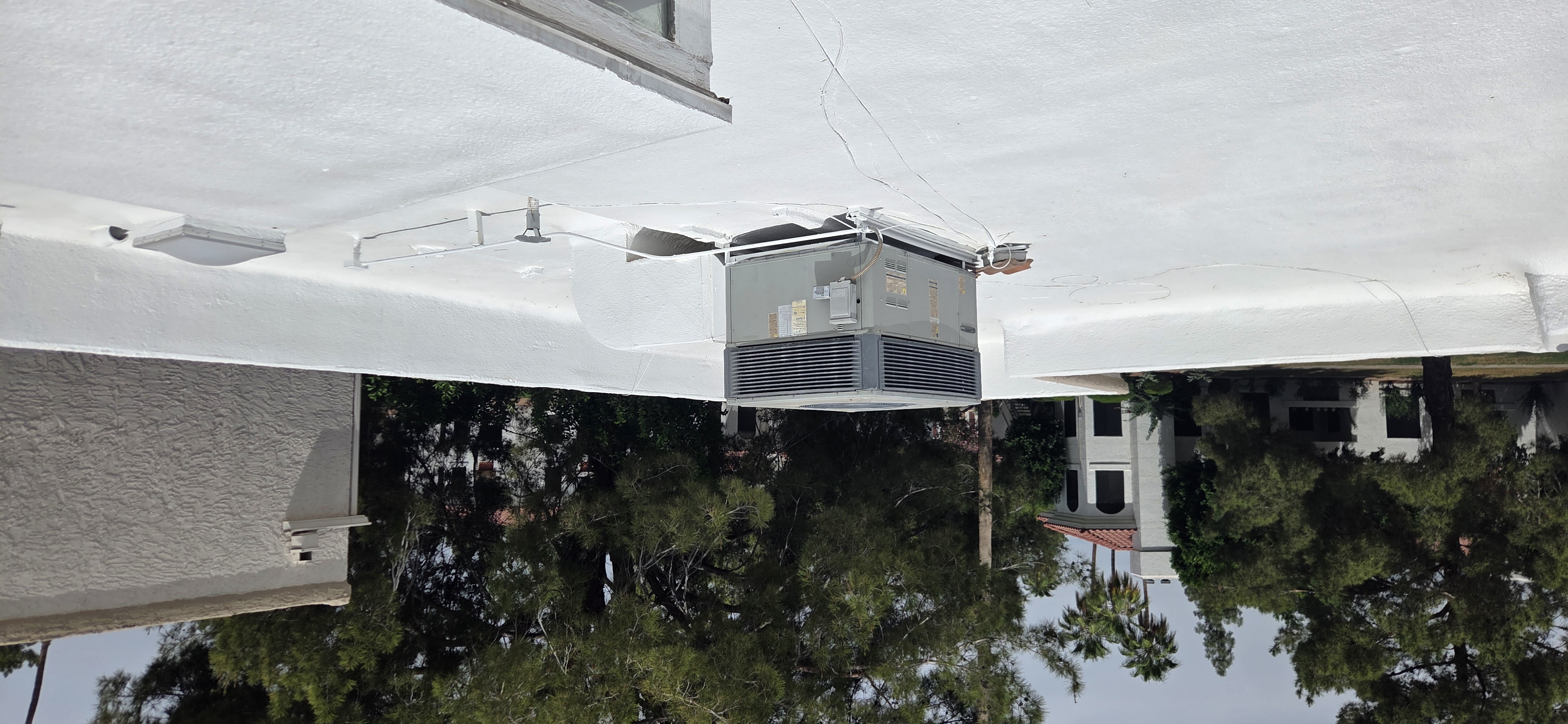
Over 30 years, a commercial foam roof almost always costs less to own than a single-ply roof — because foam is never thrown away. You install once and then re-buy only the coating, while a TPO or EPDM roof typically needs a full tear-off and replacement around year 15 to 20, and often again before year 30.
Install price gets all the attention in a bid comparison. Ownership cost is the number that actually hits your building.
The two lifecycles, side by side
Single-ply (TPO, EPDM, mod-bit)
- Year 0: install.
- Years 1–15: seam repairs, flashing repairs at HVAC curbs and drains — the failure points are seams, and a commercial roof has thousands of linear feet of them.
- Year 15–20: tear-off. Dumpsters, disposal fees, crane or hoist time, deck repairs discovered mid-project, and tenant disruption while it happens.
- Year 20–30: a second system, aging toward the same outcome.
Spray foam
- Year 0: install (often as a foam-over, so the existing roof stays put and there is no tear-off or disposal at all).
- Every ~5 years: recoat. A fraction of install cost, one to a few days, no tear-off, building stays open.
- Year 30: same foam, newer coating. No replacement event has ever happened.
The costs that never show up on a bid sheet
- Disposal and dumpsters. Zero on a foam-over reroof.
- Energy. Foam adds R-value over conditioned space and reflects heat off the roof. On a Phoenix building that runs air conditioning nine months a year, this is a line item that compounds for three decades.
- Tenant and operational disruption. A tear-off is loud, dusty, and long. A recoat is short and quiet. If you have tenants with lease language about disruption, or a warehouse that cannot stop shipping, this cost is real money.
- Emergency leak response. Seam failures generate leak calls. Seamless roofs generate far fewer.
- Deferred maintenance risk. When a single-ply roof fails, the fix is capital. When a foam roof needs attention, the fix is maintenance.
Where foam is not the cheaper answer
If a building will change hands within a couple of years, ownership math does not apply and the cheapest sound option may win. If the deck is structurally compromised or widely saturated, that material must be removed first, which narrows the cost gap. And a building with extremely dense rooftop traffic needs a walk-pad plan budgeted in.
How to actually get your numbers
Per-square-foot ranges depend on deck type, drain configuration, HVAC density, access, and how much wet material comes off. We walk the roof, photograph it, and put the ranges in writing — including what a recoat will cost you in year five, so the 30-year picture is yours to check. See commercial foam roofing, the commercial roofing cost guide, or book a free roof inspection.
We have been maintaining commercial foam roofs in the Valley since 1989, which means we have watched this math play out on real buildings rather than on paper.
Keep reading: Commercial Roofing · Commercial Roofing Cost
Written by Tim Forstie, Owner of Durafoam Roofing
Learn more about Tim — Phoenix foam roofing specialist since 1989.