
3 Most Common Skylight Problems That Cause Roof Leaks in Phoenix
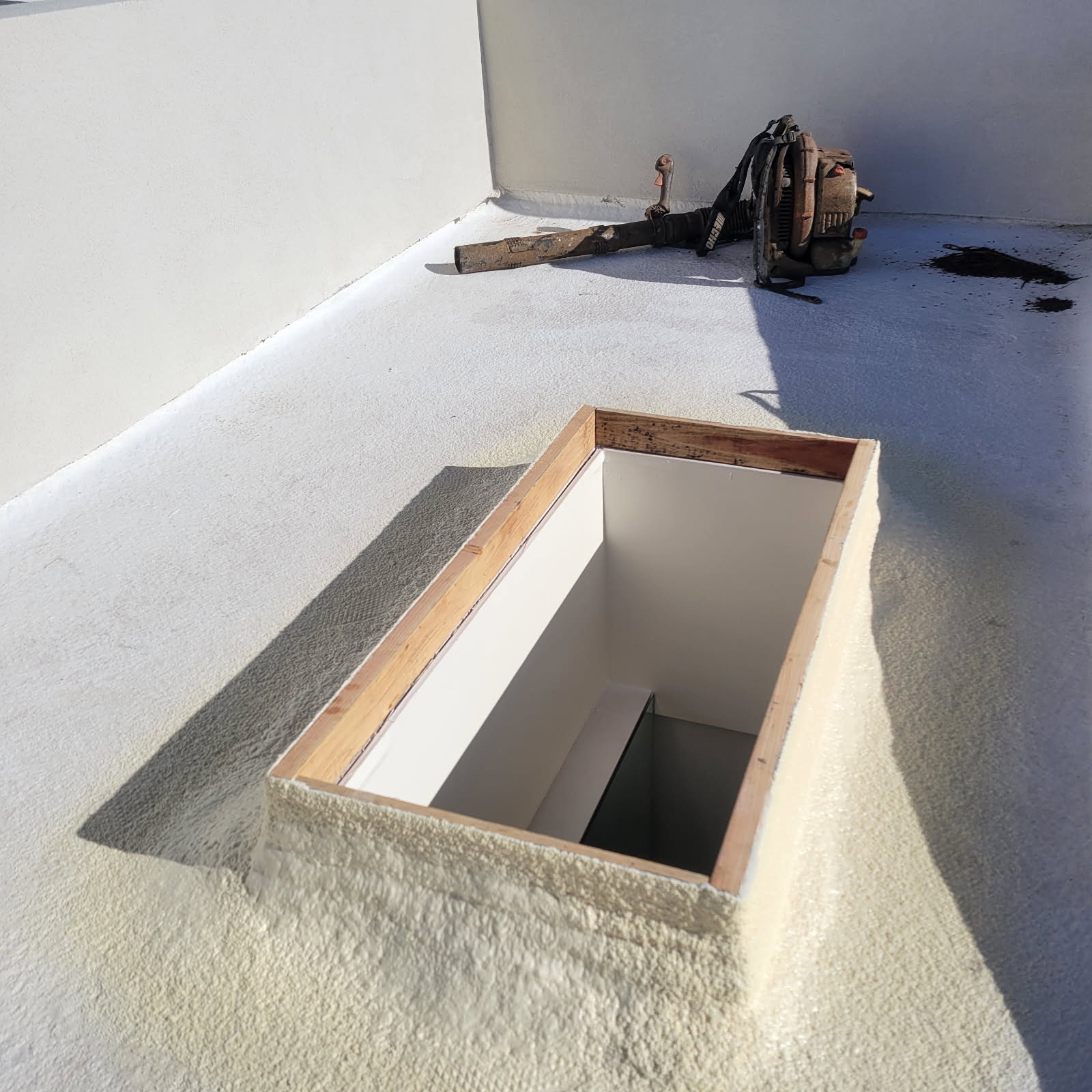
Skylights can bring natural light into a home and improve the feel of a space, but they can also become a common source of roof leaks over time — especially in Arizona’s harsh climate.
Many homeowners notice ceiling stains or water damage near a skylight and immediately wonder where the roof leak is coming from. In many cases, the problem may actually involve the skylight itself, the flashing around it, or worn roofing components nearby.
Arizona heat, UV exposure, monsoon storms, and aging roofing materials can slowly break down skylight systems over time, increasing the risk of water intrusion during rainstorms.
Here are three of the most common skylight problems that can lead to roof leaks in Phoenix homes.
1. Cracked Skylights
One of the most common skylight problems we see during roof inspections is cracking.
Skylights exposed to years of Arizona sun and extreme temperature swings may eventually become brittle, weak, or damaged. Acrylic skylights, older plastic skylights, and aging skylight materials are especially vulnerable to cracking over time.
Common causes of cracked skylights include:
- UV exposure
- aging materials
- hail or storm debris
- roof movement
- expansion and contraction from heat
- improper installation
Even small cracks can eventually allow water intrusion during rainstorms or monsoon weather.
Homeowners may notice:
- ceiling stains
- dripping water
- bubbling drywall
- condensation
- musty odors
- interior water damage near the skylight
Once water intrusion begins, the damage can spread quickly if the issue is not repaired early.
2. Failed Flashing Around Skylights
Flashing problems are another major cause of skylight leaks in Phoenix.
Flashing is installed around the skylight opening to help direct water away from vulnerable roofing areas. If flashing becomes damaged, loose, cracked, rusted, improperly sealed, or poorly installed, water may enter the roof system during heavy rain or monsoon storms.
Common flashing problems include:
- cracked sealants
- separated flashing joints
- storm damage
- roof movement
- poor installation
- aging roofing materials
- deteriorated Foam Roof Coating & Recoating" class="blog-autolink">roof coatings around flashing areas
Even small flashing failures can eventually lead to roof leaks and interior water damage.
In many cases, homeowners assume the skylight itself is leaking when the actual problem is flashing failure around the skylight opening.
3. Worn or Failed Skylight Seals
Skylight seals naturally wear down over time, especially under Arizona’s intense UV exposure and heat.
As seals dry out, crack, shrink, or separate, water may begin entering around the skylight frame or surrounding roofing materials.
Seal failure is especially common on:
- older skylights
- aging roofing systems
- poorly maintained roofs
- roofs exposed to long-term sun damage
- older foam roofing systems
- older tile roofing systems
In some cases, the leak may not appear directly below the skylight because water can travel underneath roofing materials before becoming visible inside the home.
This is why skylight leaks can sometimes be difficult to trace without a professional roof inspection.
Why Skylight Leaks Often Get Worse During Monsoon Season
Phoenix monsoon storms can expose weak roofing areas very quickly.
High winds, blowing rain, debris, clogged drains, and sudden heavy water exposure can stress flashing, seals, coatings, and roofing materials around skylights.
Small roofing problems that may go unnoticed during dry weather can quickly turn into larger leaks during storm season.
That’s why regular roof inspections before monsoon season are important — especially on older roofs or roofs with skylights.
Signs Your Skylight May Be Leaking
Common warning signs include:
- ceiling stains
- bubbling drywall
- peeling paint
- dripping water
- condensation
- mold growth
- musty odors
- visible cracks
- damaged flashing
- water during storms
- discoloration around skylights
Leaks are usually easier and less expensive to repair when caught early.
Can Skylight Leaks Be Repaired?
In many cases, yes.
Depending on the cause of the leak, repairs may involve:
- flashing repair
- seal replacement
- roof coating repair
- tile repair
- foam roof repair
- skylight replacement
- surrounding roof repairs
- drainage corrections
The correct repair depends on the condition of the skylight, surrounding roofing materials, flashing, and roof system overall.
A professional inspection can help determine whether the leak is coming from the skylight itself or from surrounding roofing components.
Schedule a Skylight Leak Inspection in Phoenix
If you notice water stains, bubbling drywall, dripping water, or signs of moisture around a skylight, it is important to address the problem before larger roofing damage develops.
Durafoam Roofing provides:
- skylight repair
- skylight replacement
- flashing repair
- leak detection
- roof inspections
- roof leak repair
- foam roof repair
- tile roof repair
throughout Phoenix and surrounding Arizona communities.
Call us today for a free skylight inspection at 480-941-5373
What are the most common causes of skylight leaks?
The most common causes of skylight leaks include:
Poor installation
Damaged or deteriorated flashing
Worn or damaged seals and weather stripping
Cracks in the skylight glass or acrylic
Clogged or damaged gutters and downspouts
Roof movement or settling
Improperly sloped skylight
Ice dam formation
Aging materials
Debris accumulation on the roof
Can cracked skylights cause roof leaks?
Yes. Even small cracks can allow water intrusion during rainstorms and eventually lead to ceiling stains, drywall damage, and interior water damage.
What causes skylight flashing to fail?
Skylight flashing can fail due to improper installation, damaged or worn materials, poor sealing, inadequate drainage, exposure to extreme weather conditions, and the deterioration of flashing over time.
What are signs a skylight is leaking?
Common signs include ceiling stains, dripping water, bubbling drywall, peeling paint, condensation, musty odors, mold growth, and visible moisture around the skylight area.
Can skylight seals wear out over time?
Yes, skylight seals can wear out over time. Skylight seals naturally deteriorate over time due to Arizona heat, UV exposure, aging materials, and weather exposure.
Can skylight leaks damage the home?
Yes. Roof leaks around skylights may damage drywall, insulation, ceilings, framing, paint, flooring, and other interior materials if left untreated.
Can skylight leaks be repaired without replacing the skylight?
In many cases, yes. Some leaks only require flashing repair, seal replacement, roof repairs, or surrounding roofing repairs depending on the source of the leak.
How do I know if the leak is coming from the skylight or the roof?
A professional roof inspection can help determine whether the leak involves the skylight itself, flashing, roofing materials, drainage problems, underlayment, or surrounding roof components.
Keep reading: Skylight Repair · Skylight Repair Cost
Written by the Durafoam Roofing Team
Phoenix's trusted foam roofing specialists since 1989.