When it comes to protecting a foam roof in Arizona, one of the biggest decisions homeowners and building owners face is choosing the right roof coating system.
Two of the most common options are:
- silicone roof coatings
- elastomeric roof coatings
Both coating systems are used on foam roofing, but they behave very differently over time — especially in Phoenix’s extreme desert climate.
At Durafoam Roofing, we often recommend elastomeric roof coatings for many foam roofing systems because of their long-term maintenance advantages, repair flexibility, cost effectiveness, and overall performance in Arizona conditions.
Here’s a closer look at the differences between silicone and elastomeric roof coatings and why coating selection matters for long-term roof performance.
What Is a Foam Roof Coating?
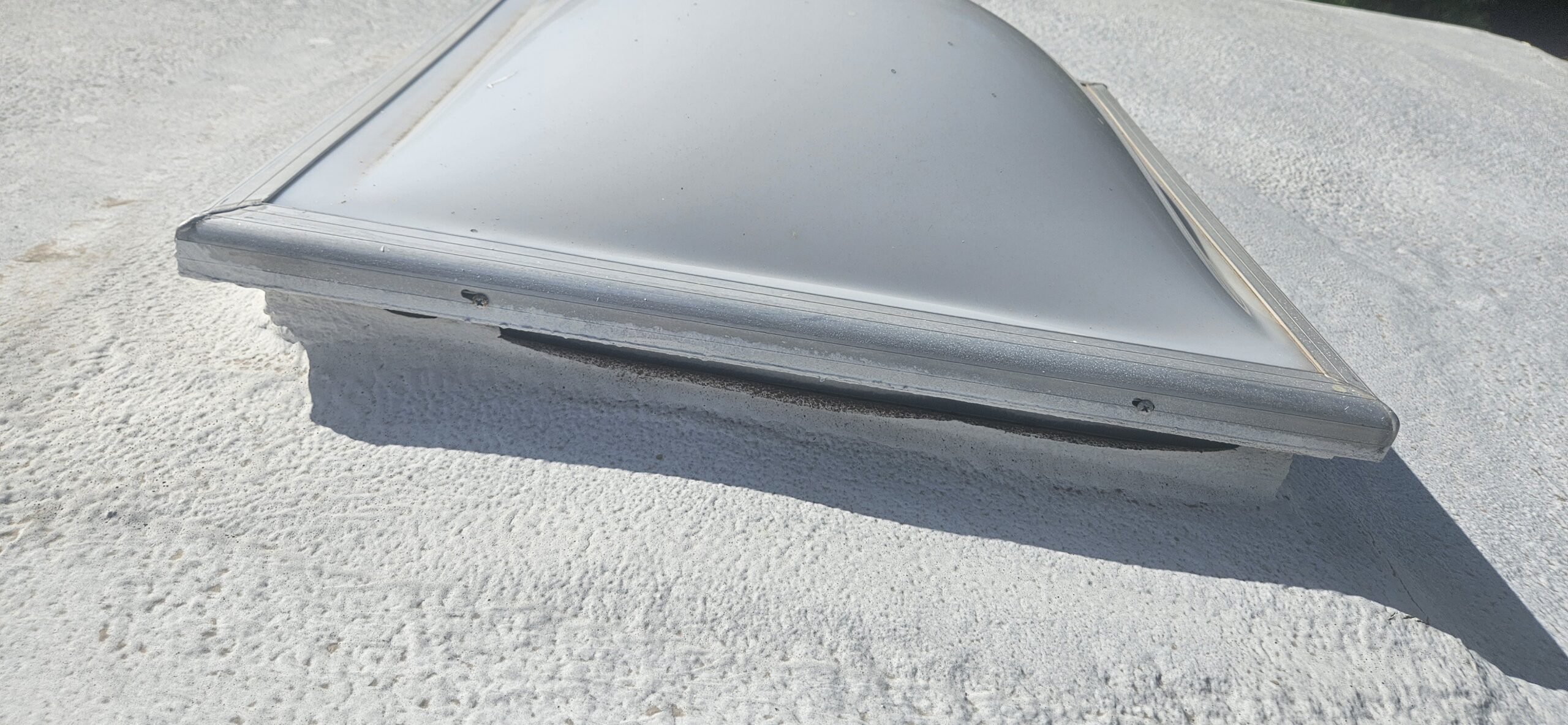
Foam roofing systems rely on a protective roof coating to shield the spray polyurethane foam underneath from UV exposure, water intrusion, and weather damage.
Without a protective coating, exposed foam can deteriorate quickly in Arizona sun and eventually lead to leaks, roofing damage, and shortened roof lifespan.
Roof coatings help:
- protect the foam
- reflect sunlight
- waterproof the roof surface
- reduce UV damage
- extend roof life
- improve energy efficiency
The two most common coating systems used on foam roofs are silicone coatings and elastomeric coatings.
What Is a Silicone Roof Coating?
Silicone roof coatings are moisture-cured coatings designed to create a waterproof membrane over the foam roof surface.
Silicone coatings are often marketed for:
- water resistance
- ponding water performance
- UV resistance
- flexibility
Silicone coatings can perform well on certain roofing systems, especially newer roof installations or roofs with ongoing ponding water concerns.
However, silicone coatings also come with several long-term drawbacks that many property owners may not realize initially.
Common Drawbacks of Silicone Roof Coatings
Higher Initial Cost
One of the biggest drawbacks of silicone roof coatings is cost.
Silicone coatings are generally more expensive than elastomeric roof coatings, both in material cost and installation cost.
For larger commercial roofs or large residential foam roofs, the pricing difference can become significant.
More Difficult Future Recoating
One of the biggest long-term concerns with silicone coatings is future maintenance and recoating.
Silicone surfaces can create adhesion challenges for future coatings. Once a silicone roof coating is installed, future recoating options may become more limited and more expensive.
Additional preparation, specialty materials, and more labor may be required before future coatings can properly adhere to the roof surface.
This can increase long-term maintenance costs over the lifespan of the roof.
Silicone Roofs Often Turn Brown Over Time
Another common issue seen in Arizona is discoloration.
Over time, silicone roof coatings often begin turning brown or collecting dirt and debris on the surface. As the roof darkens, reflectivity may decrease.
A darker roof surface may absorb more heat, which can reduce some of the cooling and reflective benefits property owners expect from a roof coating system.
In Phoenix’s extreme summer temperatures, roof reflectivity matters.
What Is an Elastomeric Roof Coating?
Elastomeric roof coatings are flexible acrylic-based coating systems commonly used on foam roofs throughout Arizona.
Elastomeric coatings are designed to:
- protect foam roofing
- resist UV damage
- maintain flexibility
- reflect sunlight
- allow easier future maintenance
- extend roof life through periodic recoating
Elastomeric coatings have been widely used on Arizona foam roofs for many years because they perform well in desert conditions and offer long-term serviceability.
Why We Often Prefer Elastomeric Coatings
At Durafoam Roofing, we often recommend elastomeric coatings for foam roofing systems because of their long-term practicality and maintenance advantages.
More Cost Effective
Elastomeric coatings are generally more affordable than silicone coatings.
This can make a significant difference on larger roofing systems or properties requiring periodic recoating over time.
Easier Future Maintenance & Recoating
One of the biggest advantages of elastomeric coatings is ease of future maintenance.
Foam roofs are designed to be maintained and recoated over time. Elastomeric systems typically allow easier recoating and repair work in the future compared to silicone systems.
This helps:
- simplify long-term roof maintenance
- reduce future labor costs
- improve repair flexibility
- make ongoing roof care more manageable
Excellent Performance in Arizona’s Climate
Elastomeric coatings perform extremely well in Arizona’s desert environment.
They provide:
- strong UV protection
- high reflectivity
- flexibility during temperature swings
- good waterproofing performance
- long-term durability with proper maintenance
When properly maintained, elastomeric-coated foam roofs can last for decades through periodic recoating cycles.
Easier Repairs
Repairs and touch-ups are often more straightforward on elastomeric-coated foam roofs.
Cracks, exposed foam, coating wear, and localized roof issues can usually be repaired and blended more easily compared to silicone systems.
This becomes important as roofs age and require normal maintenance over time.
Is Silicone Ever a Good Option?
Yes.
Silicone roof coatings may still make sense in certain situations, especially:
- newer roofing systems
- roofs with significant ponding water concerns
- specific commercial roofing applications
- certain manufacturer specifications
The key is understanding both the short-term performance and long-term maintenance implications before choosing a coating system.
Which Roof Coating Is Better for Phoenix Foam Roofs?
The best roof coating depends on:
- roof condition
- drainage
- roof age
- maintenance goals
- long-term ownership plans
- budget
- future recoating expectations
For many Arizona foam roofs, elastomeric coatings offer an excellent balance of:
- performance
- cost effectiveness
- repair flexibility
- UV protection
- long-term maintainability
A professional roof inspection can help determine which coating system makes the most sense for a specific property.
Schedule a Foam Roof Inspection in Phoenix
If you are considering foam roof recoating, roof repair, or evaluating coating options for your property, Durafoam Roofing provides foam roof inspections throughout Phoenix and surrounding Arizona communities.
We inspect:
- foam roof condition
- coating wear
- exposed foam
- drainage issues
- roof leaks
- flashing
- recoating needs
- maintenance concerns
to help determine the best long-term roofing solution for your property.
Give us a call today for a free consultation at 480-941-5373
Silicone and Elastomeric Roof Coating FAQs
What is the difference between silicone and elastomeric roof coatings?
Silicone coatings are moisture-cured coatings often used for waterproofing and ponding water resistance, while elastomeric coatings are flexible acrylic-based systems commonly used for long-term foam roof maintenance and UV protection.
Are silicone roof coatings more expensive?
Yes. Silicone roof coatings are generally more expensive than elastomeric coatings in both material cost and installation cost.
Why are silicone roofs harder to recoat?
Silicone coatings can create adhesion challenges for future coatings. Additional preparation and specialty materials are often needed before future coatings can properly bond to the roof surface.
Do silicone roof coatings turn brown over time?
Many silicone roof coatings may darken, discolor, or collect dirt over time, especially in Arizona conditions. Reduced reflectivity can increase roof surface temperatures.
Why are elastomeric coatings commonly used on foam roofs in Arizona?
Elastomeric coatings perform well in Arizona’s desert climate because they provide UV protection, flexibility, reflectivity, and easier long-term maintenance and recoating.
Can elastomeric roof coatings be recoated in the future?
Yes. One major advantage of elastomeric coatings is easier future maintenance and recoating compared to many silicone systems.
Which roof coating is better for foam roofs?
The best coating depends on roof condition, drainage, maintenance goals, budget, and long-term ownership plans. A professional roof inspection can help determine the best option.